




La UNAM hoy
La UNAM hoy
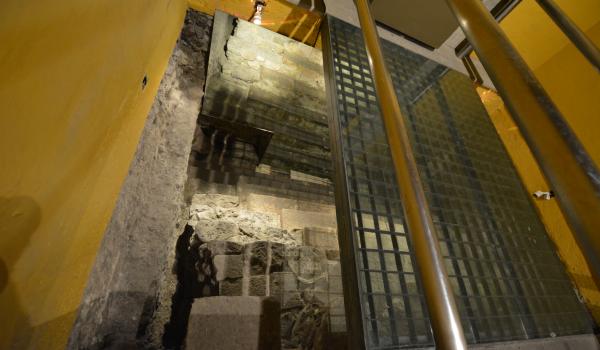
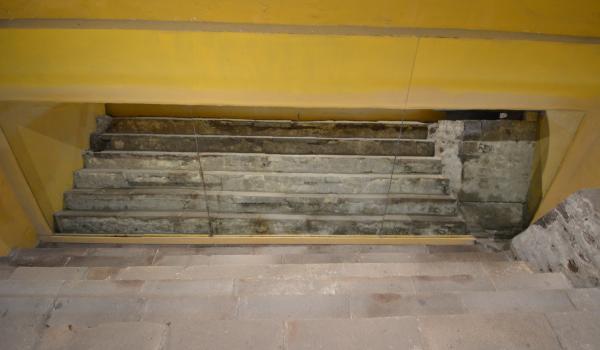
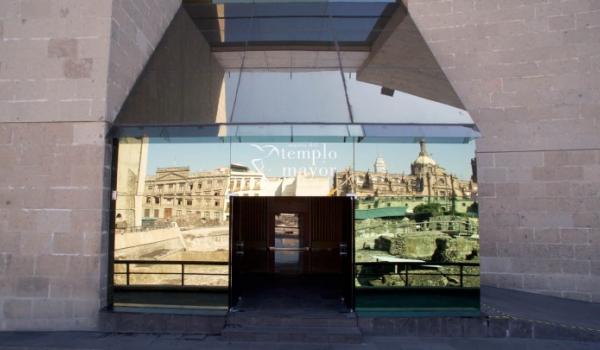
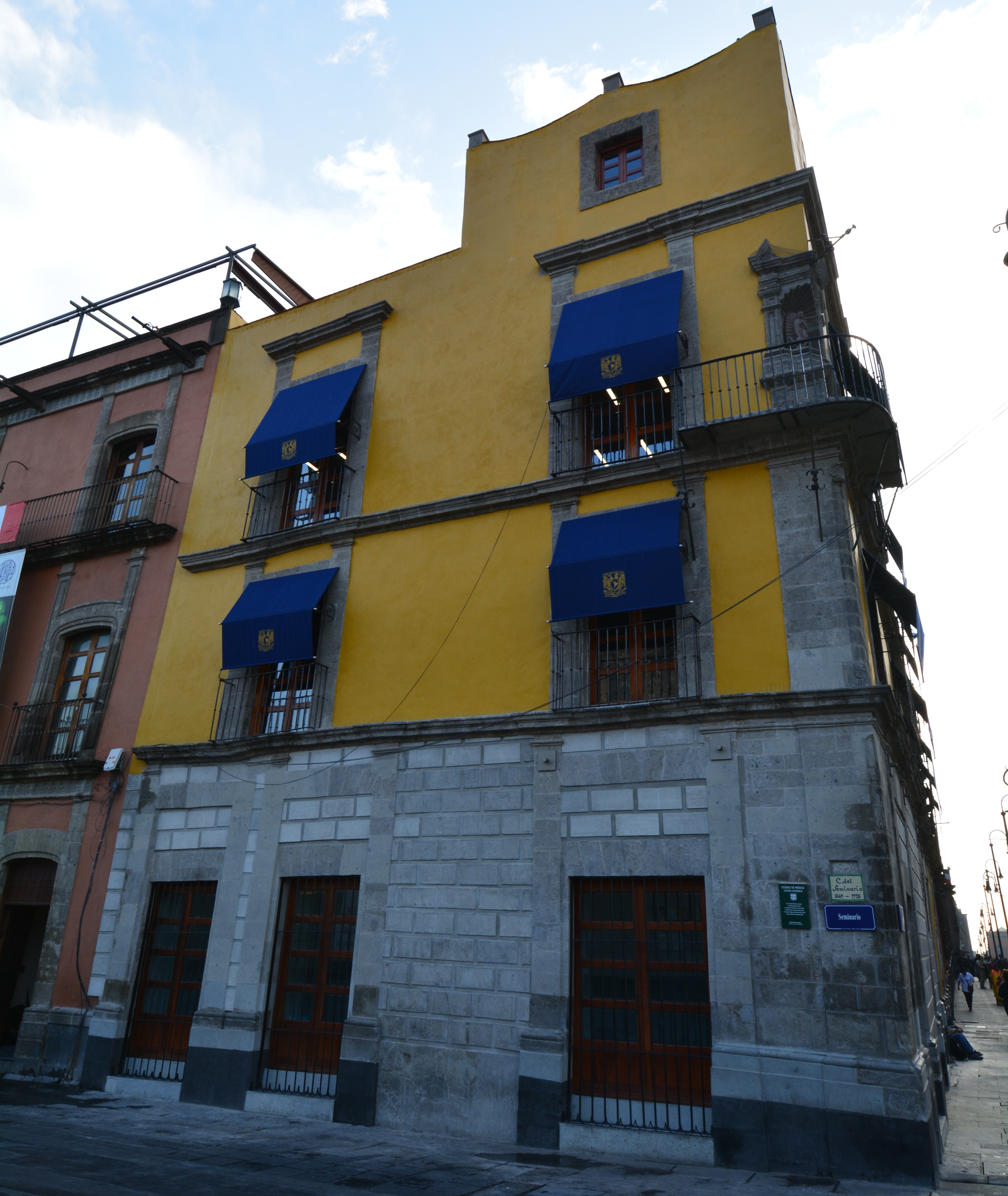
This museum contains the remains of a Mexica courtyard, the Telpochcalli, two viceregal walls, and a staircase dating from the early 19th century.
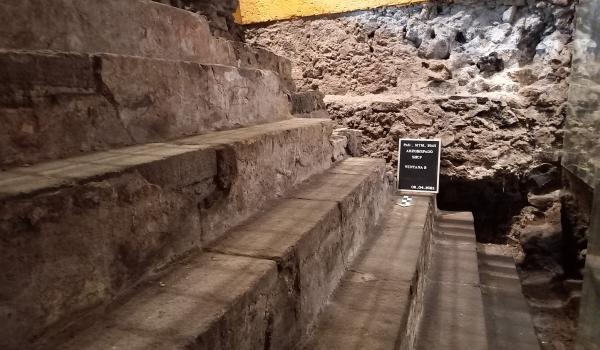
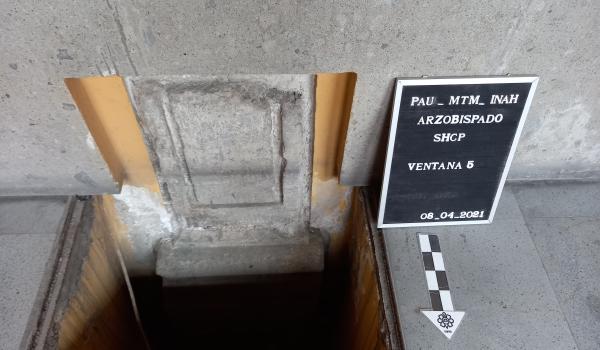
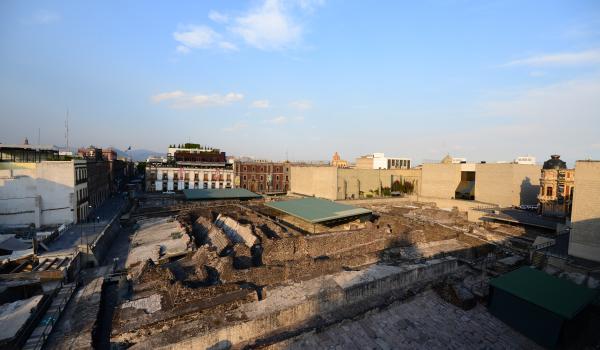
The museum is located in what was once the front courtyard of the Temple of Tezcatlipoca, located in the Old Archbishop's Palace. Between 2011 and 2013, during excavation work carried out by the INAH's Urban Archaeology Program (PAU), rooms were found that probably formed part of the Telpochcalli, a temple school where young commoners were educated. It was possible to verify the association of this enclosure with structures corresponding to stages VI (1486 AD-1502 AD) and VII (1502 AD-1521 AD) of the Templo Mayor of Tenochtitlan.
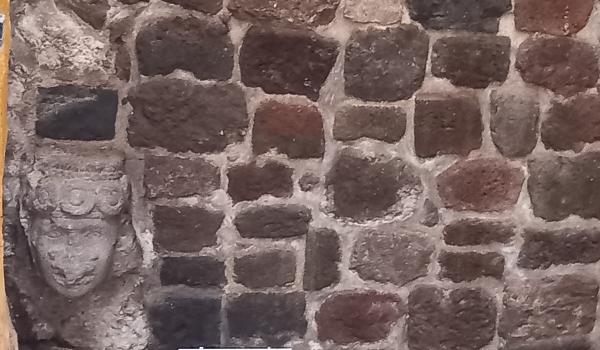
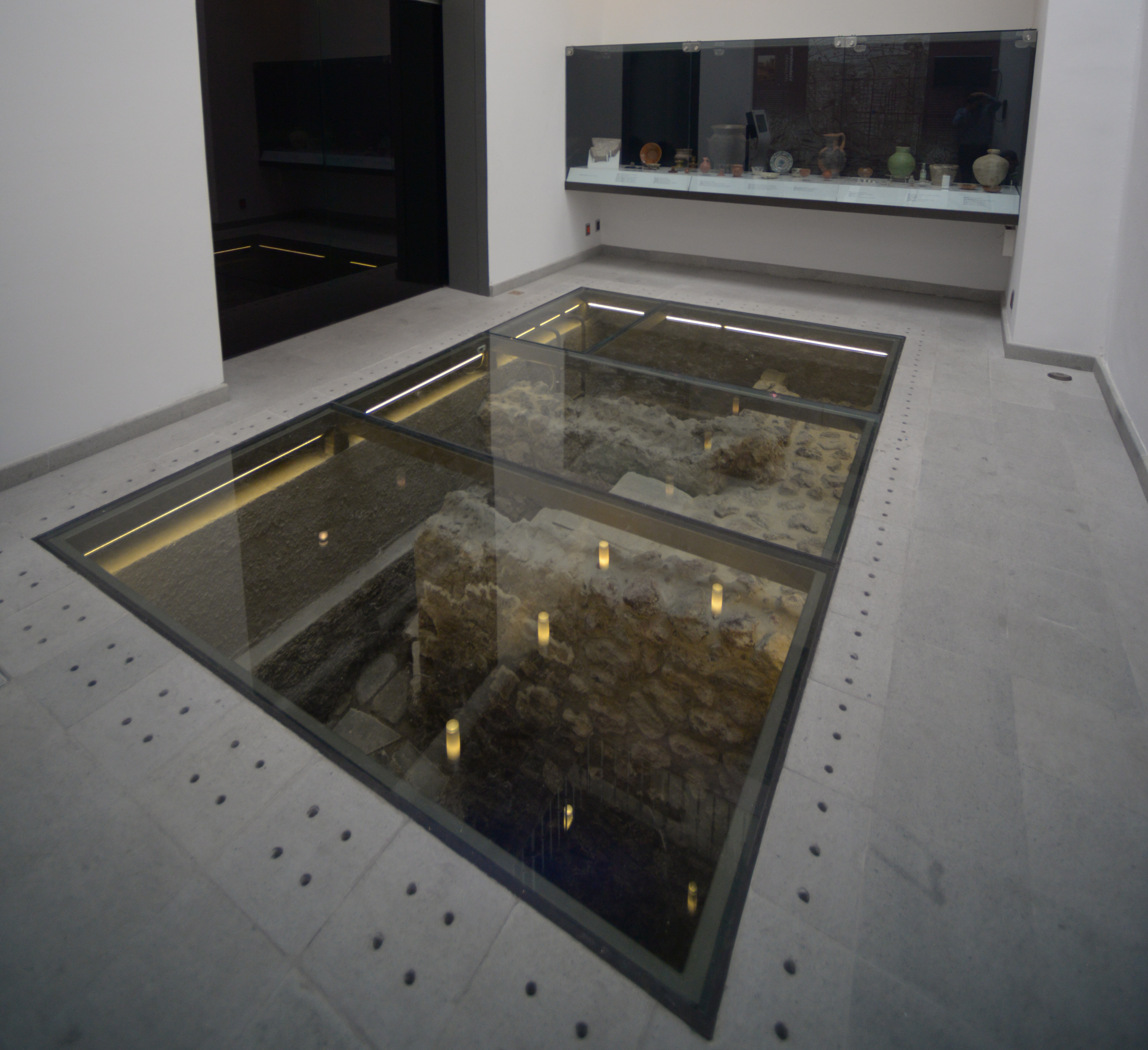
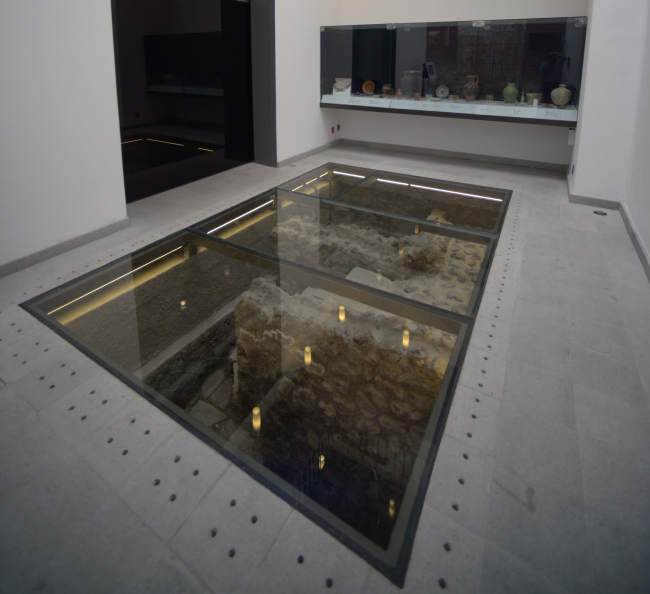
In the 4.32 m by 2.44 m archaeological window, on a floor of pre-Hispanic basalt slabs, an early viceregal wall can be seen, showing the reuse of Mexica spaces by the first Spanish inhabitants. It is possible that these architectural remains were part of the house of Don Pedro González Trujillo, who owned the property until 1527. Later, the property belonged to Rodrigo Gómez Dávila and, in 1538, it became part of the Mayorazgo Grande de Guerrero, a property that was occupied by the Royal and Pontifical University of Mexico, founded by Fray Juan de Zumárraga in 1553.
On the east side are the remains of a prominent wall that may have been part of the Casa del Mayorazgo Grande de Guerrero. A notable and central feature of the window is the remains of a staircase with a handrail that has been dated to the first half of the 19th century. This building was later demolished almost to its foundations to make way for the one that still stands today. The Correo café was located on this site, and in 1872, the El Nivel cantina opened its doors, boasting the number one license of its kind in Mexico City, which operated until the early days of 2010.
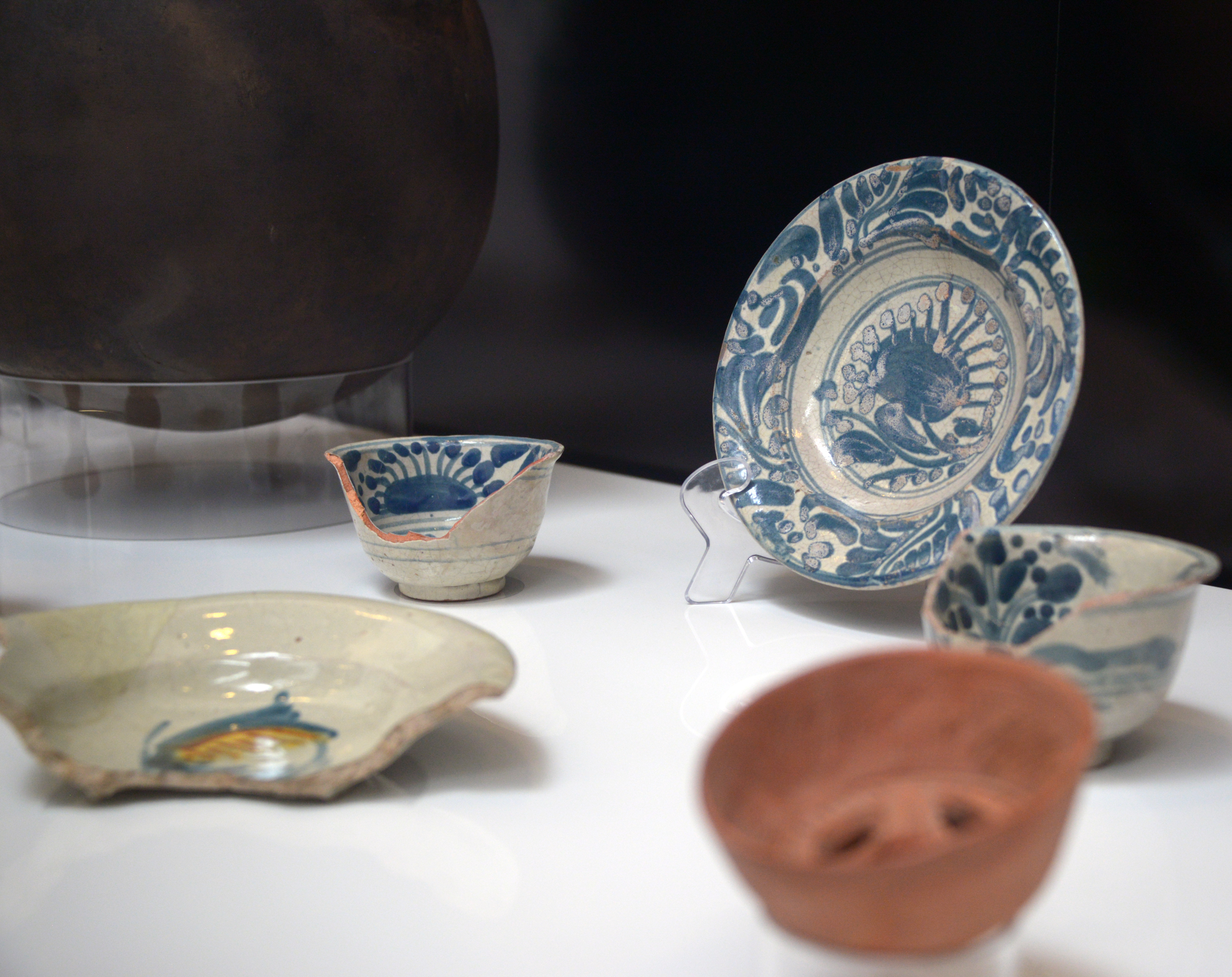
In addition to these remains, a museum display case was set up to exhibit 27 archaeological pieces found during the excavations. These objects range from the late Postclassic period to the end of the 20th century and show the fusion between indigenous and European ceramics. Among the pre-Hispanic pieces are obsidian razors, a scraper, and a fragment of a stone battlement that was used to decorate the upper part of temples. Among those from the viceregal period, independent Mexico, and the modern era are everyday objects such as a basalt pestle, an onyx mortar used for grinding, majolica plates and bowls, and glazed, smoothed, and polished ceramic pots, plates, and candlesticks.
Source: Raúl Barrera Rodríguez, director of the Urban Archaeology Program


![Colección Casasola, Pórtico del Ex arzobispado. Calle[de] Moneda, Serie Ciudad de México](https://repositorio.inah.gob.mx//sites/default/files/styles/thumbnail_480x480/public/2025-07/124032-Thumbnail%20Image.jpg?itok=wrpCqgPd)